Analytical methods & quality.
Begin with the lot-linked COA checklist, then compare HPLC purity with peptide content and examine the mass-spectrometry identity evidence. Read chemical purity, sterility and endotoxin as separate questions. These peptide testing guides connect each result to its method, sample and reporting limits.
Guides in this topic
 Analytical Methods
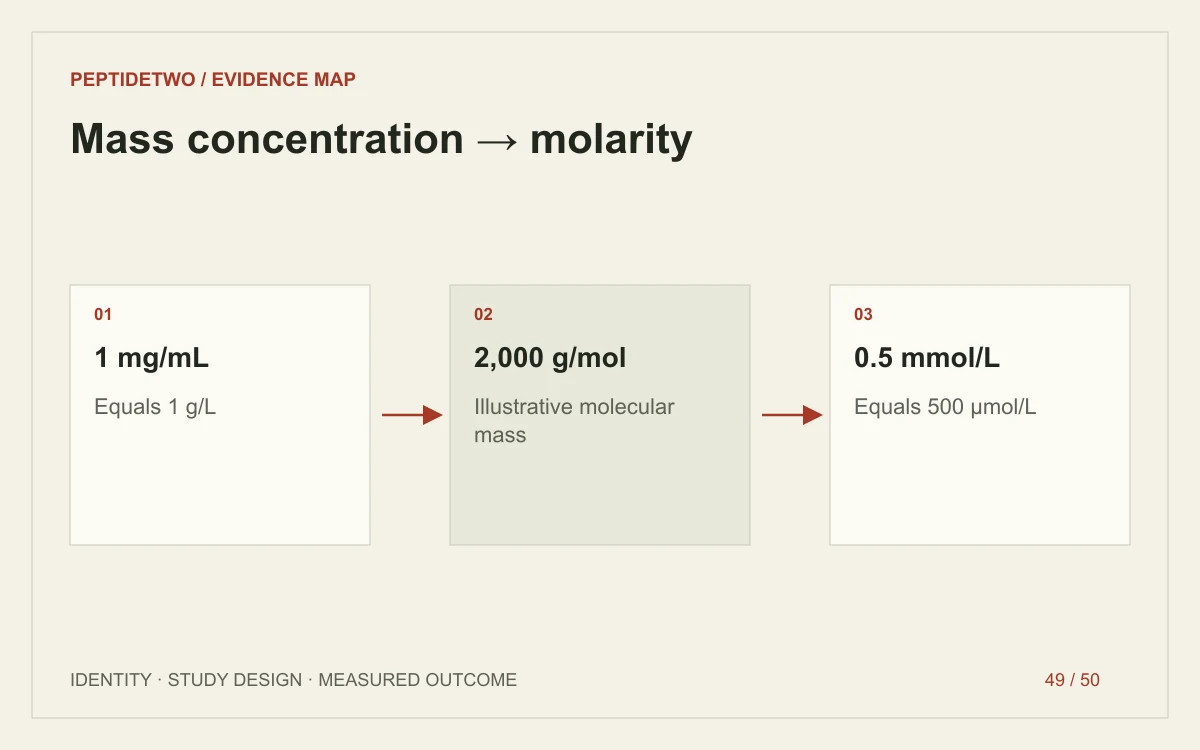
Peptide Molarity vs Mass Concentration: Converting mg/mL to µM Correctly
Peptide molarity counts amount of substance per volume, while mg/mL expresses mass per volume. To convert between them, you need the molecular mass of the exact entity being counted and a meaningful mass-concentration input.
Updated 2026-11-06 ↗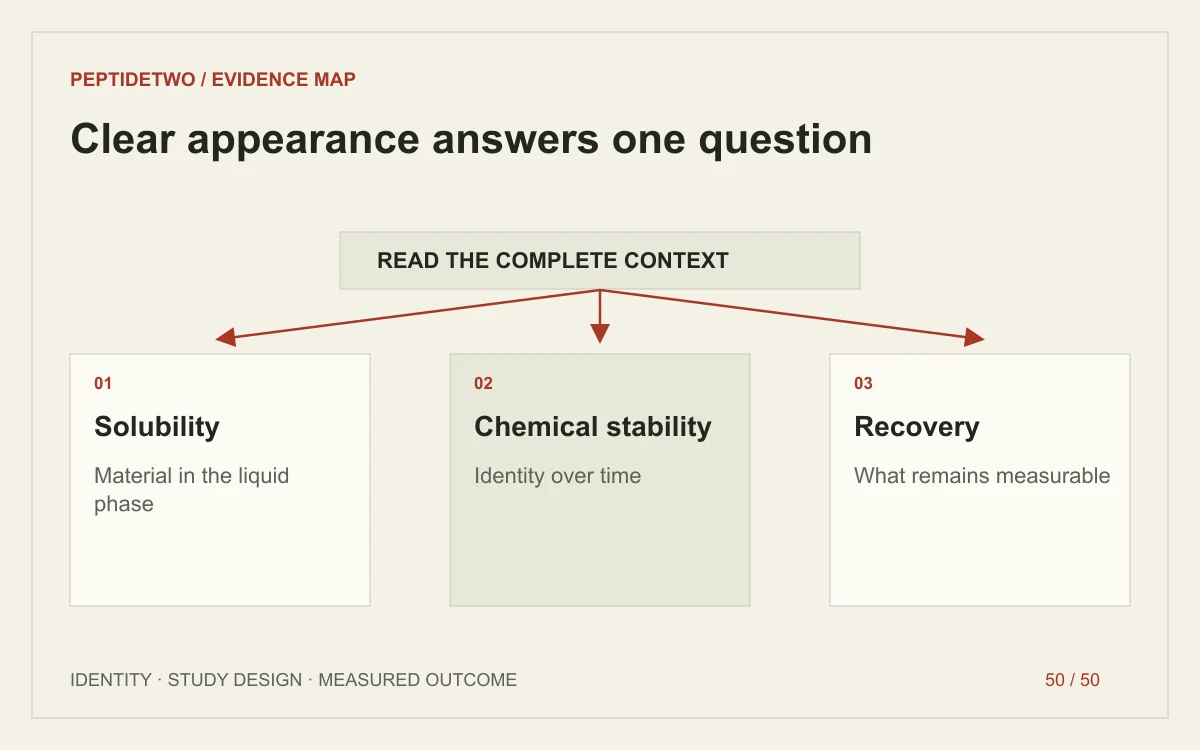 Analytical Methods
Peptide Solubility vs Stability: A Clear Solution Can Still Leave Questions
Peptide solubility vs stability separates whether material dissolves from whether the intended molecule remains unchanged and recoverable over time.
Updated 2026-11-06 ↗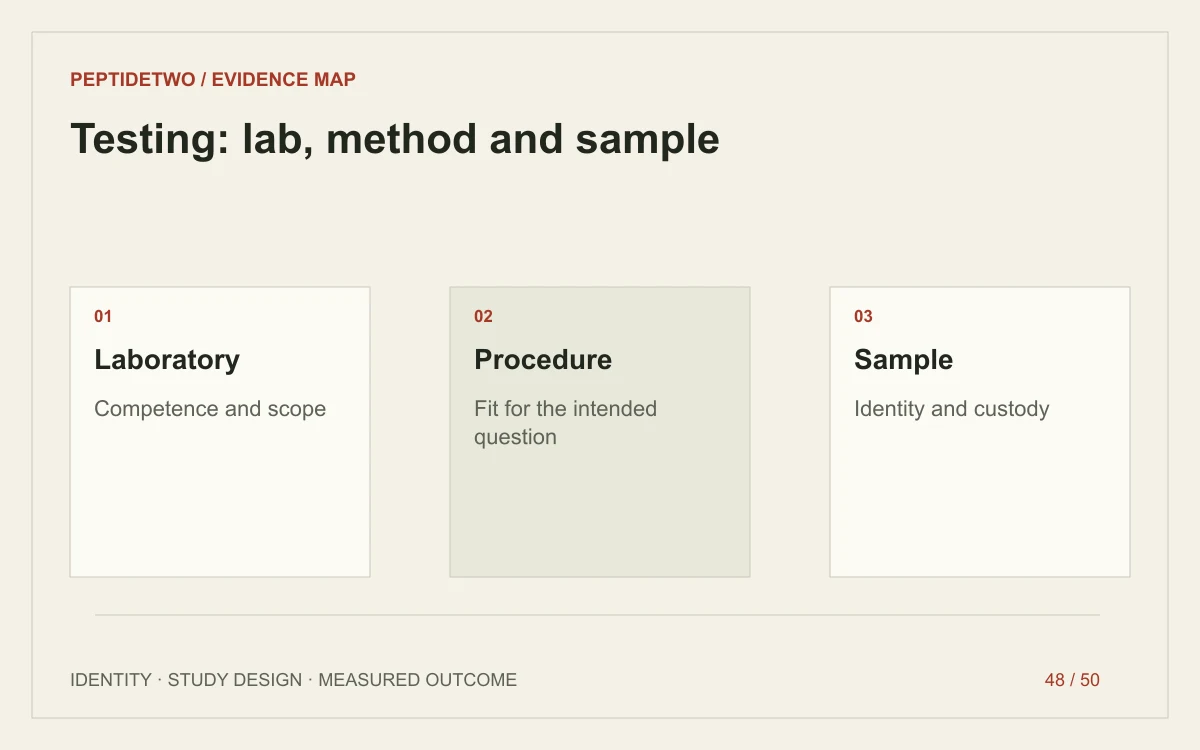 Analytical Methods
Third-Party Peptide Testing: ISO 17025, Scope and What “Independent” Means
Third-party peptide testing is useful only when the laboratory, sample and method match the question being asked. Independence from a seller is one consideration.
Updated 2026-11-06 ↗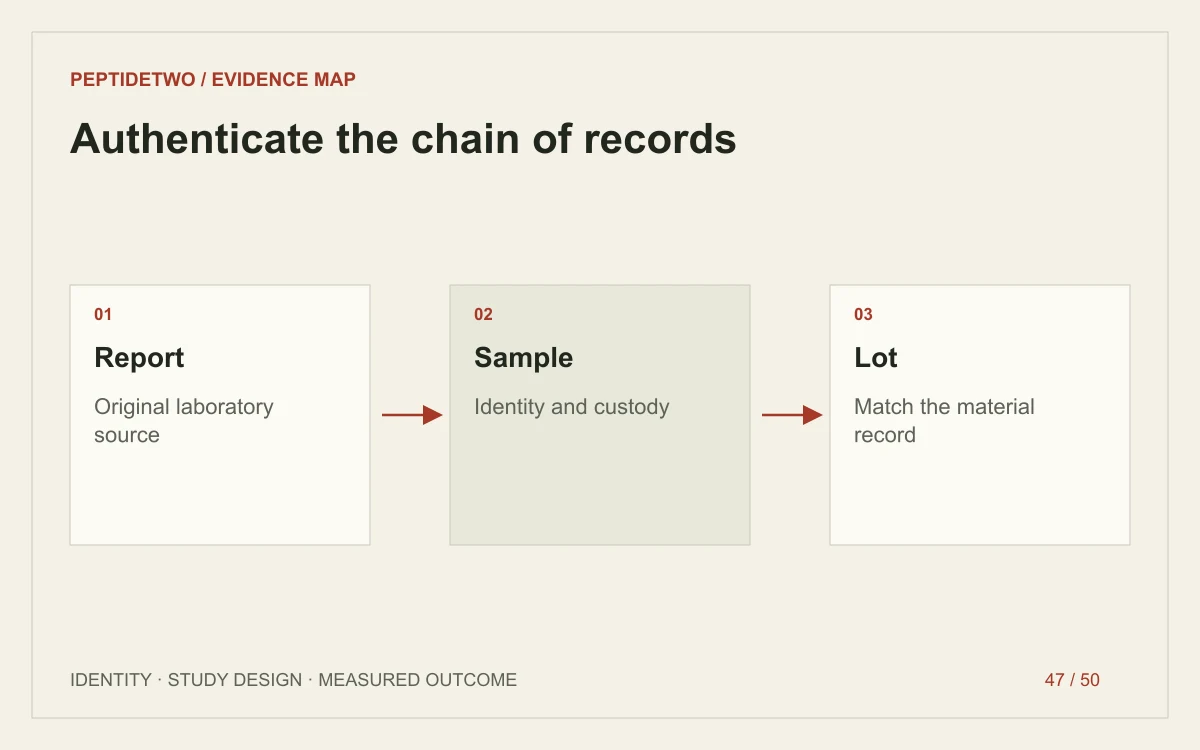 Documentation & Traceability
How to Verify a Peptide COA: Document Authenticity and the Sample-Custody Gap
To verify a peptide COA, separate document authenticity from sample identity. An authentic laboratory report can still concern a sample that has not been independently connected to the material in a particular container.
Updated 2026-11-06 ↗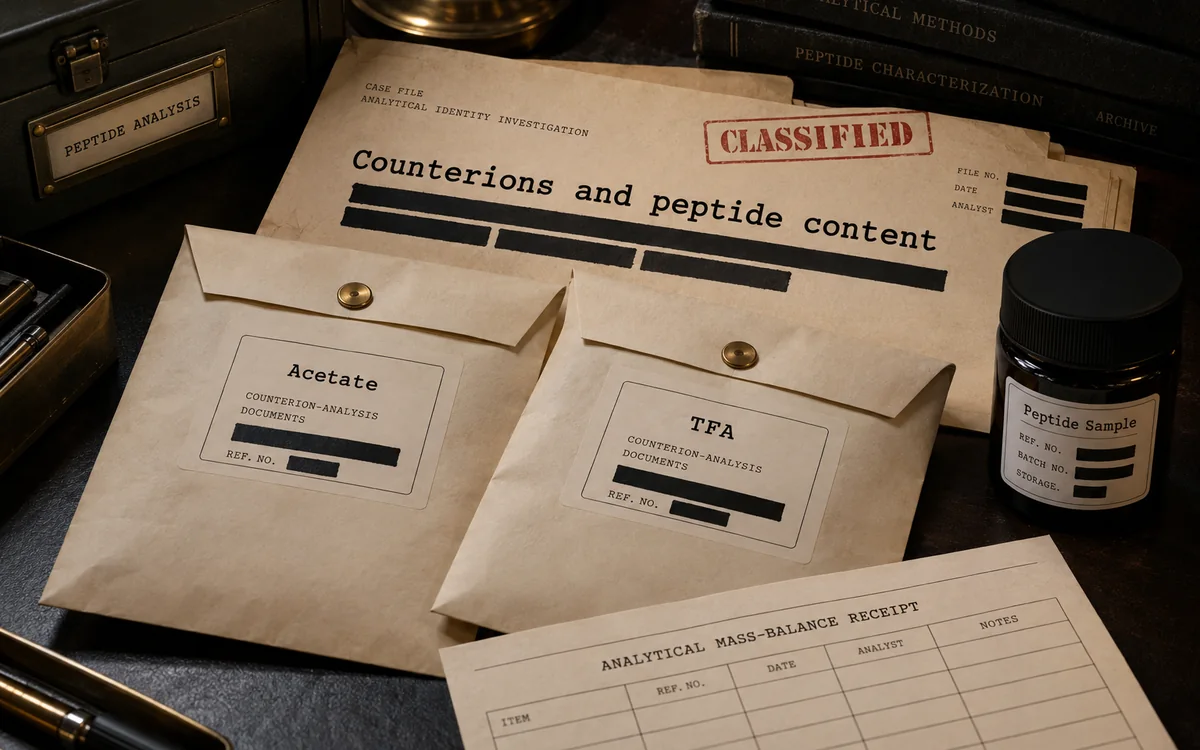 Analytical Methods
Peptide Acetate vs TFA Salts: Identity, Content and Measurement
Acetate and trifluoroacetate describe counterion-related forms that need to be documented separately from a peptide’s sequence.
Updated 2026-10-29 ↗ Analytical Methods
Peptide Immunogenicity: What Anti-Drug Antibodies Can Tell You
Anti-drug antibodies are an assay-defined finding, not a complete diagnosis of harm or treatment failure.
Updated 2026-10-29 ↗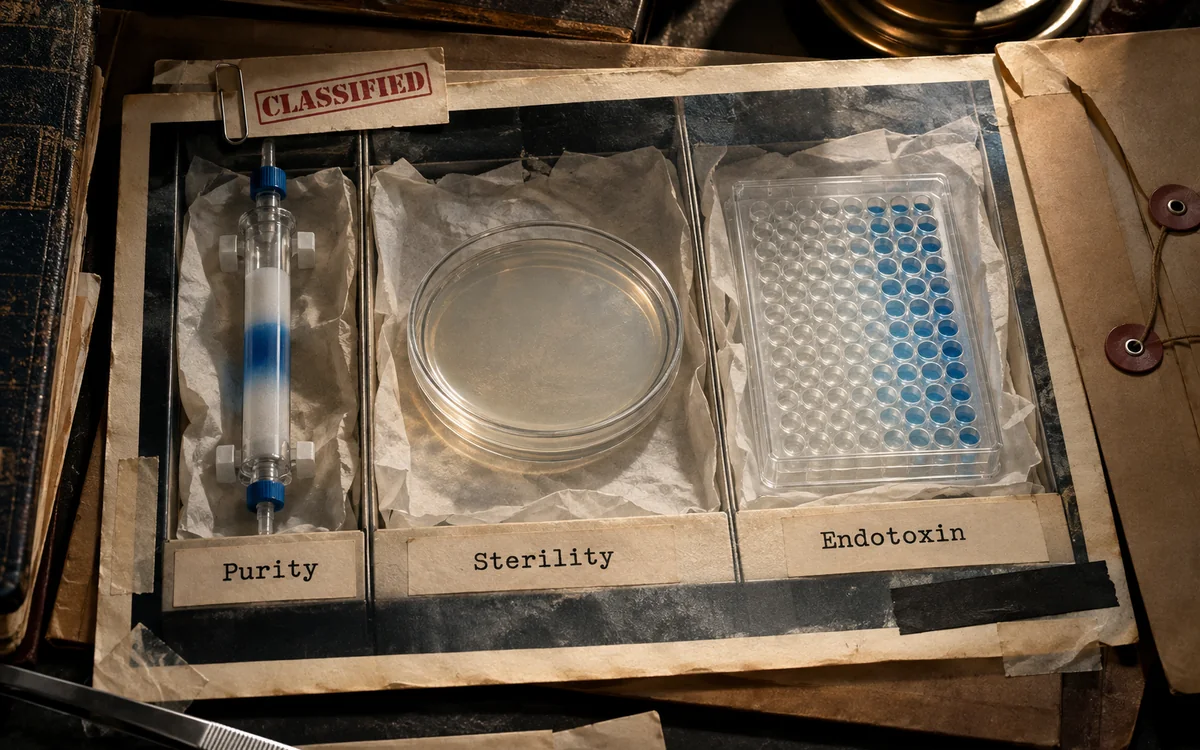 Analytical Methods
Peptide Purity, Sterility and Endotoxin: Three Different Questions
Chemical purity, sterility and bacterial endotoxin testing ask different questions. A chromatographic percentage cannot answer all three, and a clear-looking solution cannot replace any of them.
Updated 2026-10-29 ↗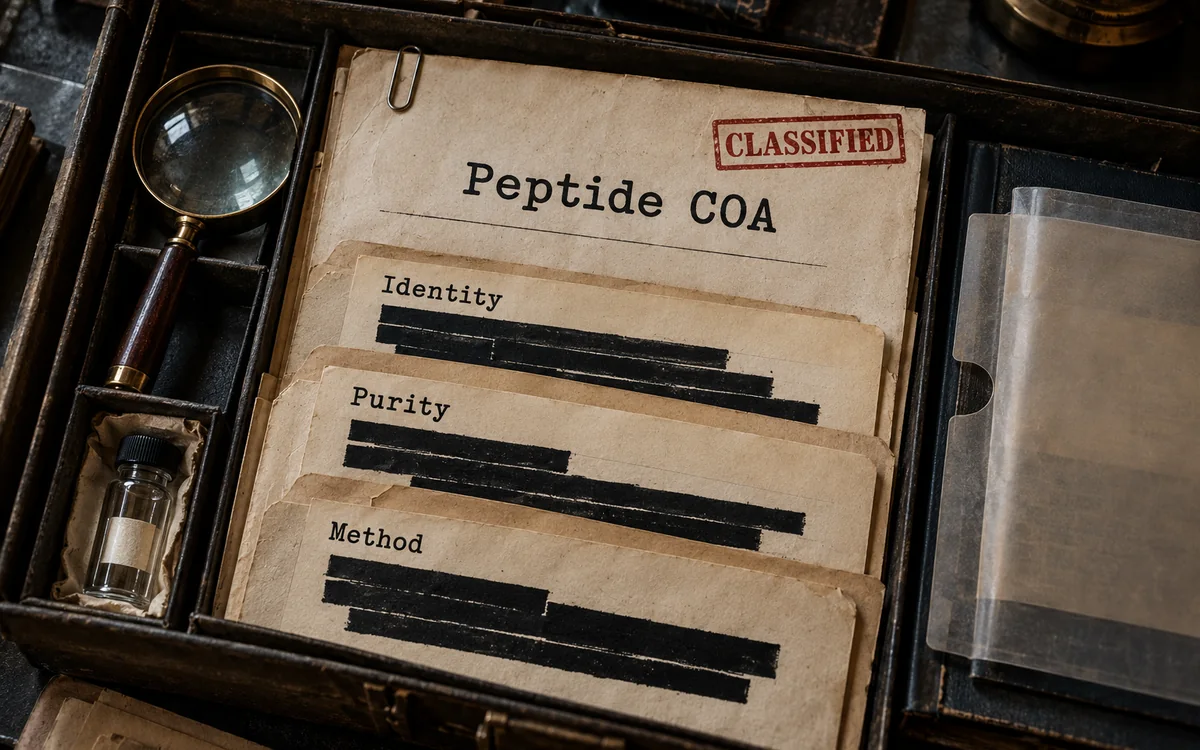 Analytical Methods
How to Read a Peptide COA: Identity, Purity, and Limits
A peptide COA is a report of selected tests, not a complete verdict on a product. Begin with the link between the document and the sample: molecular description, lot identifier, test date and issuer.
Updated 2026-11-09T09:06:28.317Z ↗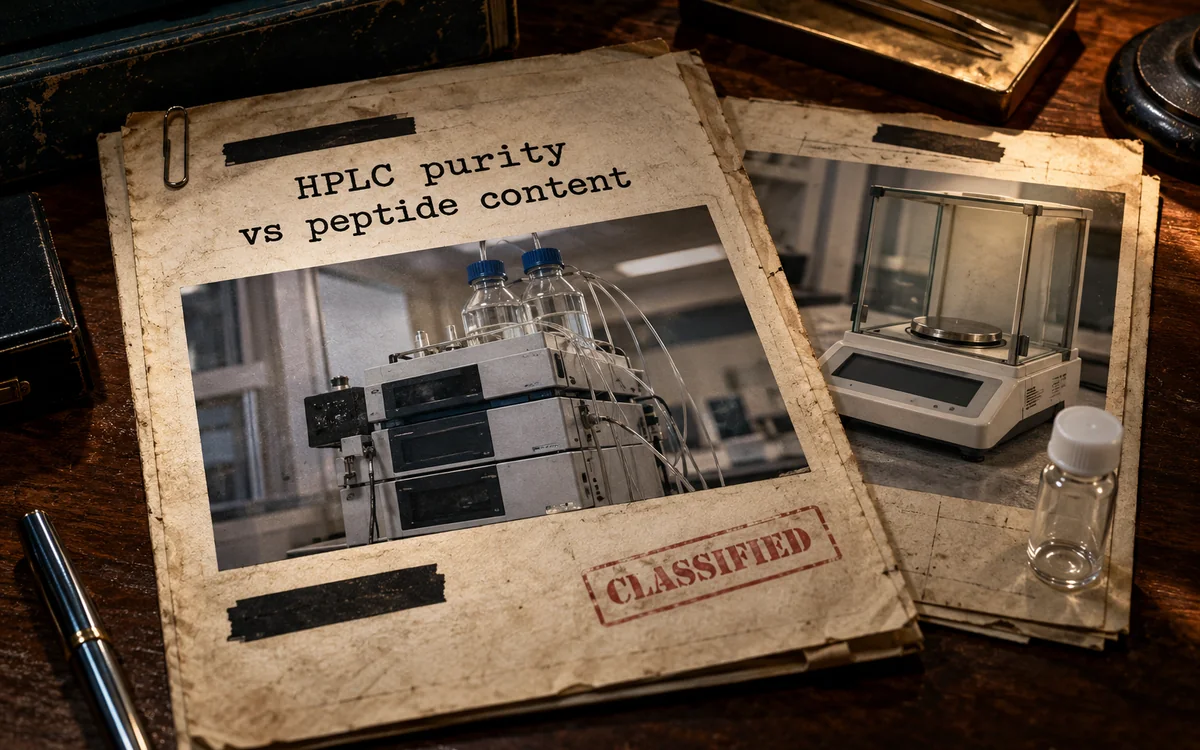 Analytical Methods
Peptide Purity vs Concentration: HPLC and Content Explained
Purity describes an analytical profile; content describes an amount; concentration describes an amount per volume. A 99% HPLC result does not make those quantities interchangeable.
Updated 2026-11-09T09:06:28.317Z ↗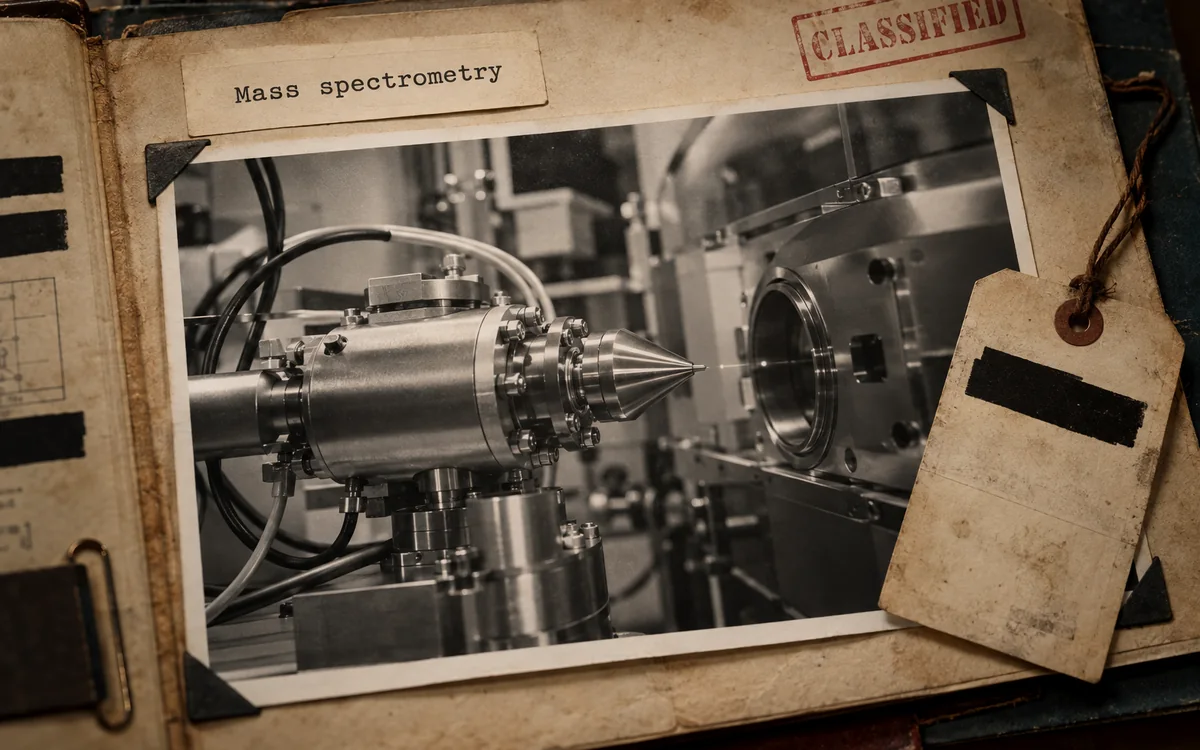 Analytical Methods
Peptide Identity Testing: What Mass Spectrometry Can Show
A matching mass can support a peptide identity assignment, but the strength of that assignment depends on the experiment.
Updated 2026-10-29 ↗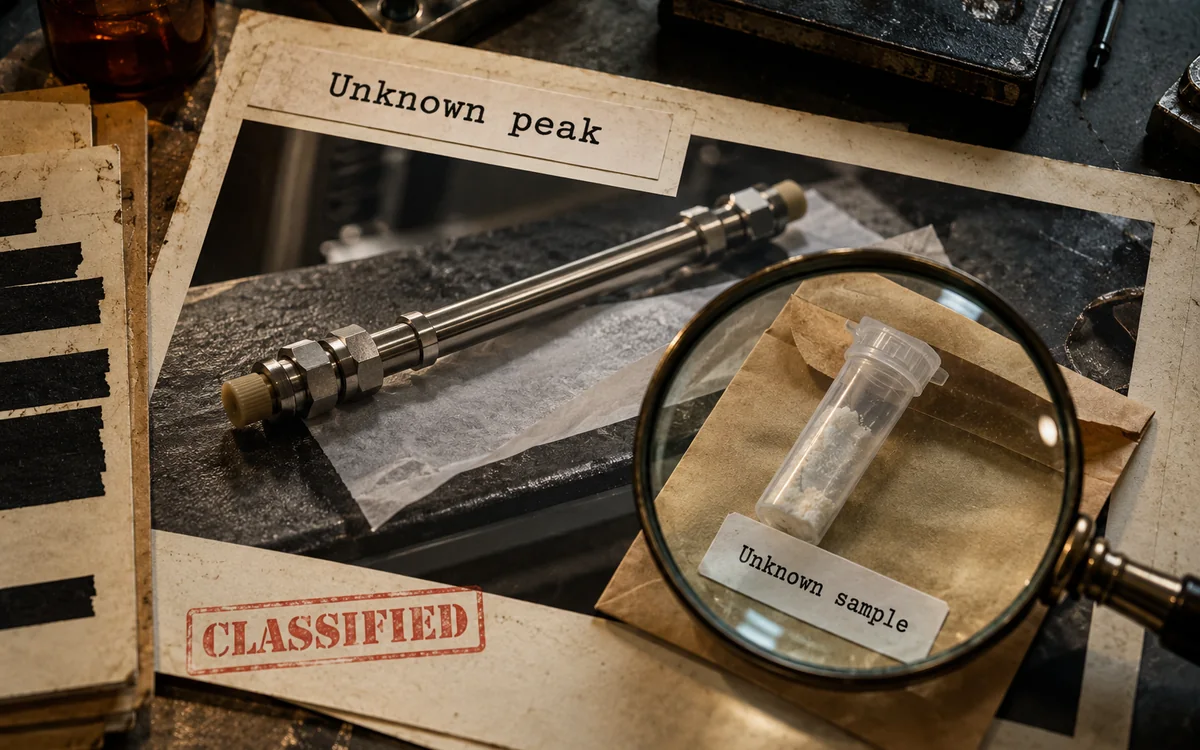 Analytical Methods
Peptide Impurity Profiles: What an Unknown Peak Means
An impurity profile describes what a set of analytical methods detected and characterized in a sample.
Updated 2026-10-29 ↗ Research Practice
Peptide Stability and Degradation: How to Read the Evidence
Peptide stability is evidence about a specified material under specified conditions over time. It cannot be inferred from the molecule’s name or from one satisfactory release test.
Updated 2026-10-29 ↗